


Larnec

Why you may need industrial wall ventilation

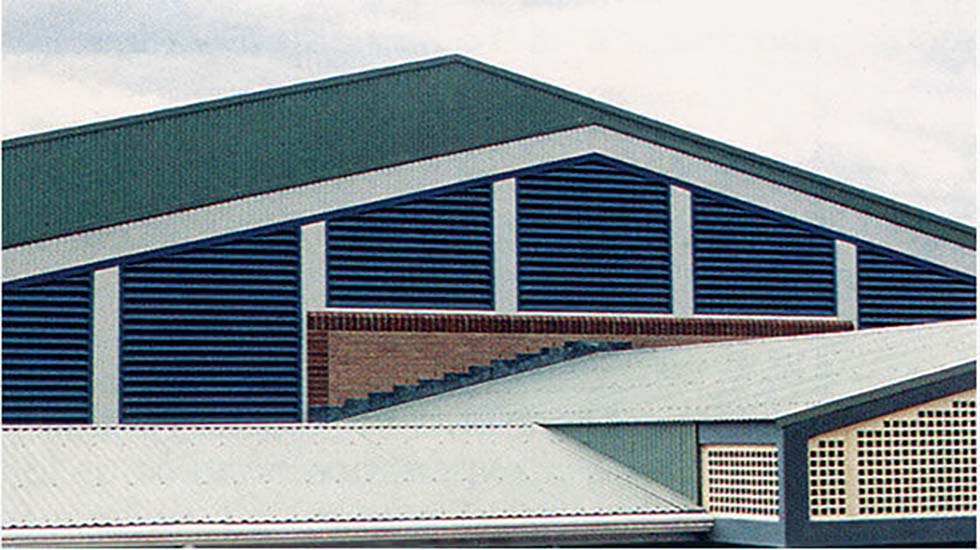
Industrial building with integrated wall ventilation systems for improved airflow and temperature control
By Larnec
2 minute read

The many benefits of installing wall vents

Effectual ventilation in an industrial space can aid reduction in heat and moisture along with creating circulation and an exit path for pollutants. Furthermore, it’s been proven that ventilation can really support comfort, energy and efficiency of workers inside.

A durable and efficient industrial wall vent system designed for airflow control and ventilation.

Ventilation is needed in a wide range of environments and buildings, such as;

  • Pump shed
  • Storage room
  • Shearing shed
  • Chemical room
  • Sewage plant rooms
  • Warehouses

With machinery, equipment and other assets contributing to increasing levels of pollutants, noise and heat, it’s so important to address ventilation when designing a building.

Industrial louvre products such as the Sentry Venttec System and Larnec Freeflow Louvres are designed to have high ventilation to benefit in many areas. Some of the benefits of these ventilation systems include;

  • High ventilation
  • Reduce heat
  • Reduce moisture
  • Creates an exit for pollutants such as carbon monoxide
  • Enhances building appearance
  • Enhances energy, efficiency and comfort of workers
  • Protects equipment
  • Secure
  • Durable
 

The great thing about ventilation systems like this is that they can be installed in a variety of building types, whether they’re concrete, brick or steel. Explore sustainable industrial airflow designs at Energy Efficiency Council.

If you think some of these areas need to be addressed in your building, then take a look at our industrial ventilation options.

Our custom-made ventilation has been proven to be beneficial in all of these areas to help enhance and protect industrial environments and workers.

Frequently asked questions

When do I need industrial wall ventilation in a building?

You need industrial wall ventilation when airflow, heat, or moisture needs to be controlled within an enclosed space. It is designed to support temperature regulation, reduce condensation, and improve air quality in sheds, warehouses, and transportable buildings. This is especially important in environments with machinery, stored goods, or limited natural airflow.

What problems can industrial wall ventilation help prevent?

Industrial wall ventilation helps prevent heat build-up, condensation, and poor air quality. These issues can lead to equipment damage, material deterioration, and uncomfortable working conditions. Proper ventilation is suitable for maintaining internal conditions and supporting the longevity of both the building and its contents.

How do I choose the right type of wall ventilation for my application?

You should choose wall ventilation based on airflow requirements, building size, and environmental conditions. Options can include passive vents, louvres, or powered systems depending on the level of airflow needed. For industrial applications, ventilation is often integrated alongside door systems to support overall building performance.

Is industrial wall ventilation important for sheds and transportable buildings?

Yes, industrial wall ventilation is important for sheds and transportable buildings to manage airflow and internal conditions. These structures can trap heat and moisture without adequate ventilation, especially in Australian climates. Ventilation can be configured to suit different applications and used alongside industrial doors to improve usability and comfort.

Can wall ventilation be combined with other building features like doors or security systems?

Yes, wall ventilation can be integrated with other building features such as doors and security systems. Ventilation solutions can be designed to work alongside security doors or industrial door setups without compromising safety. This allows buildings to maintain airflow while still supporting controlled access and protection.