



%402x.svg)
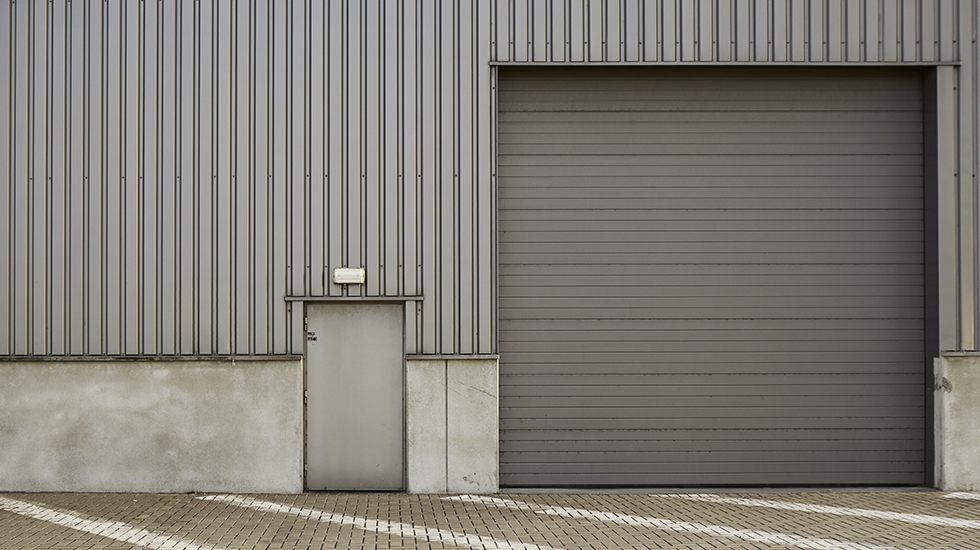

Are you looking for a range of durable, safe industrial doors? Larnec has a wide range of industrial door designs, including doors for warehouses, factories, garages, sheds and more.
Larnec’s range features a variety of industry standards but also the latest innovation to provide you with the best version possible.
Our range of solid core doors is available Australia-wide and can be delivered directly to your store, consolidation centre or site. This enables a quick turnaround and efficiency. Explore energy-efficient building materials for commercial spaces with resources from Your Home Australia.
We also have a range of standard stock options that are stored locally in Melbourne. If you need something quickly or are looking for a cost-effective option, a stock-standard solid core door may be ideal for you.

Solid core vs hollow core doors – which is better?
Depending on your door needs, you may have heard the term ‘hollow’ or ‘solid’ core before. This refers to the internal makeup of the door and determines its suitability for different environments.
Many industrial doors in the market today are hollow core doors. This means that the inside is usually a honeycomb design known as honeycombed cardboard. The rest is a ‘wood shell’. Typically, they are used in interior applications due to their reduced stability.
While cheaper to manufacture, they are not very good as exterior doors. The honeycomb cardboard interior means the door will have less solidity and strength, so it shouldn’t be subject to harsh conditions, such as the weather. It may also be more susceptible to break-ins.
Solid core doors are made from engineered wood with real wood veneer, whereas solid wood doors are made from a frame and panel. Larnec’s range of solid core doors and solid wood doors are fully steel clad with double door skin.
This means that the doors are reinforced with metal sheets making them exceptionally strong, durable and better at insulating noise and temperature.
Solid core door main benefits
Solid core doors and solid wood doors are a far safer and more secure option, especially for exterior use. Larnec’s range of industrial solid core and solid wood doors provide maximum protection and durability. The main benefits of solid core or solid wood doors are:
- Heavier and denser (stronger)
- Excellent insulation capability
- Enhanced noise reduction ability
To learn more about these benefits, read below!
Solid wood doors and solid core doors are better for acoustics
A solid wood door or solid core door is going to give you a much better acoustic performance than a hollow core door. A solid door disrupts sound waves making it much more effective at muffling sound and extraneous noise.
If sound insulation is important, selecting a solid door with dense materials will be more beneficial. Hollow doors in comparison are structurally weak and best applied only to environments with minimal noise or impact from the elements such as wind and rain.
When it comes to acoustics, it’s a no-brainer between solid core vs hollow core doors. If you’re interested in learning more, speak to our friendly customer service team who are more than happy to assist you.

Heat insulation performance with solid cores
Solid core doors can aid a variety of applications including home offices, industrial buildings, warehouses, sheds, garages and more. This is especially true in environments with extreme weather conditions such as Australia.
Solid core doors are well ahead of other doors
When you’re facing harsh hot or cold temperatures, solid core doors are going to make a big difference. In winter, solid doors are going to reduce heat loss, retain more heat and withstand temperature changes.
In summer, they will keep in the cold and insulated from the heat. This also means little maintenance is required as solid core doors are sturdy and long-lasting.
A hollow core door is going to offer little insulation and protection from temperature changes throughout the seasons. Much like a home’s interior, you want to lock in the hot or cold which hollow cores will struggle to do.
Solid core doors and security
Not only do solid core doors offer excellent acoustic and temperature insulation, but they also offer enhanced security. The steel cladding provides enhanced protection from sound and temperature while also adding solidity to the door structure.
With a solid interior, it’s much harder to break down or damage solid core doors in the event of a break-in or harsh weather.
Larnec also has a range of lock options to further enhance security. There are many different types of locks available for industrial steel-clad doors, which all work in different ways and have their own advantages.
Lock types:
- Deadbolt
- Mortice
- Panic bar
- Knob locks
- Lever
- Jimmy Proof Deadbolts
- Latch Locks
- Padlocks
- Cam Locks
- Wall Mounted Locks
Solid core door pros
At Larnec, we are experts in quality industrial commercial and personal access door solutions. To learn more about our solid core doors range, speak to our friendly staff who are more than happy to help. You can browse the range here.