

%402x.svg)
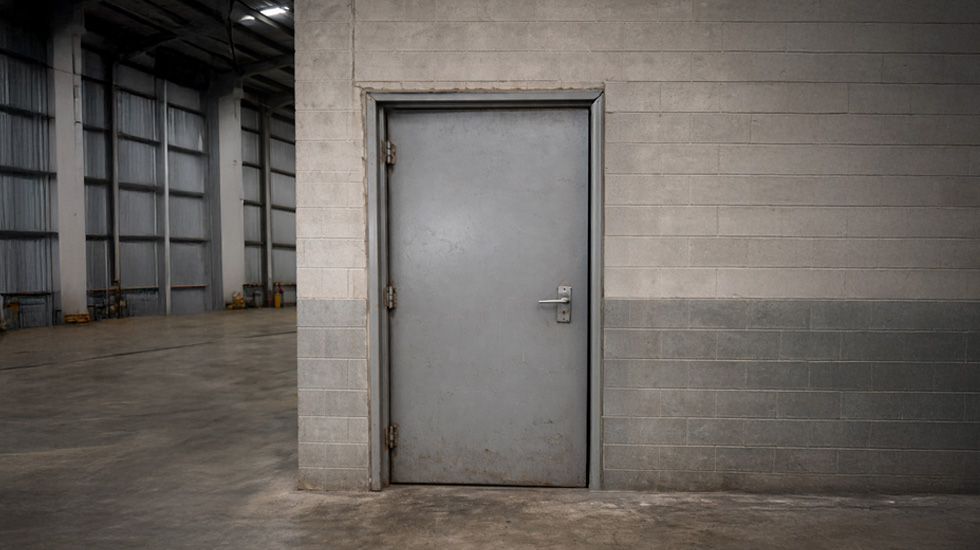

Commercial doors are designed to be tough, reliable, and long-lasting. Yet across warehouses, factories and retail spaces, many commercial doors fail far earlier than expected — sometimes within just a few years of installation.
This article breaks down the real-world reasons commercial doors fail early, based on industry patterns, installer feedback, and common buyer mistakes. If you’re a builder, facility manager, or business owner, understanding these causes can save you significant replacement and maintenance costs.
1. The Wrong Door for the Environment
One of the most common reasons commercial doors fail early is incorrect door selection.
Doors installed in harsh environments — such as industrial sheds, coastal locations, or high-traffic facilities — require stronger materials, better finishes, and more robust construction. Lightweight or residential-grade doors simply aren’t designed for:
- Constant daily use
- Exposure to wind, dust, or moisture
- Temperature fluctuations
- Heavy impact or vibration
Result: Warping, corrosion, loose hardware, and premature structural failure.
2. Low-Quality Materials and Thin Door Skins
Not all steel doors are created equal.
Commercial doors with thin skins, weak frames, or low-density cores tend to fail faster, especially in industrial settings. Over time, this can lead to:
- Dents and panel deformation
- Reduced insulation performance
- Door leaf twisting or sagging
- Increased noise and air gaps
High-quality commercial doors typically use dual-skin construction with reinforced frames, providing greater rigidity and longevity.
3. Poor Installation (Even Good Doors Can Fail)
A well-made door can still fail early if it’s installed incorrectly.
Common installation issues include:
- Out-of-square frames
- Incorrect fixings
- Poor alignment of hinges and locks
- Inadequate support around the opening
These problems place constant stress on the door, causing hinges to wear faster and doors to bind or drag over time.
4. Cheap or Incompatible Hardware
Door hardware is often overlooked — but it plays a major role in door lifespan.
Using low-quality or mismatched hardware can result in:
- Loose handles and locks
- Failed door closers
- Increased force on hinges
- Unsafe or unreliable operation
Commercial environments demand heavy-duty, commercial-grade hardware that’s designed for frequent use.
5. Lack of Maintenance in High-Use Areas
Even durable commercial doors require basic maintenance.
In high-traffic environments, doors experience:
- Thousands of open/close cycles per year
- Impact from trolleys, pallets, and equipment
- Dust and debris buildup in hinges and tracks
Without periodic checks, small issues — like loose screws or misaligned closers — can escalate into major failures.
6. Exposure to Moisture and Corrosive Conditions
Doors installed in coastal regions, wash-down areas, or humid environments face additional challenges.
Early failure often occurs due to:
- Rust forming under paint or powder coating
- Swelling of internal cores
- Corrosion of hinges and fixings
Choosing doors with protective coatings and corrosion-resistant components is critical in these conditions.
7. Underestimating Daily Usage
Many commercial doors are opened far more often than expected.
A door used by staff, deliveries, and customers throughout the day needs:
- Strong hinge systems
- Durable frames
- Reinforced lock areas
Doors designed for light or occasional use often fail quickly when subjected to constant daily operation.
How to Prevent Early Commercial Door Failure
To extend the lifespan of commercial doors:
- Choose doors designed for the specific environment
- Prioritise quality materials and construction
- Ensure professional installation
- Use commercial-grade hardware
- Schedule basic maintenance checks
Investing in the right door upfront is almost always cheaper than repeated repairs or early replacement.
Final Thoughts
Commercial doors don’t usually fail without warning — early failure is almost always the result of poor selection, poor installation, or cost-cutting decisions.
Understanding these causes allows builders and business owners to make smarter decisions, reduce downtime, and improve long-term reliability.
If you’re planning a commercial or industrial project, door selection should be treated as a long-term investment, not a short-term cost saving.
Contact Us
Choosing the right commercial door can make a significant difference to safety, durability, and long-term costs. If you’re planning a project or experiencing ongoing issues with existing doors, getting expert advice early can help prevent expensive mistakes.
Our team specialises in commercial and industrial door solutions, including personal access doors, security doors, and access hardware for a wide range of applications.