



%402x.svg)
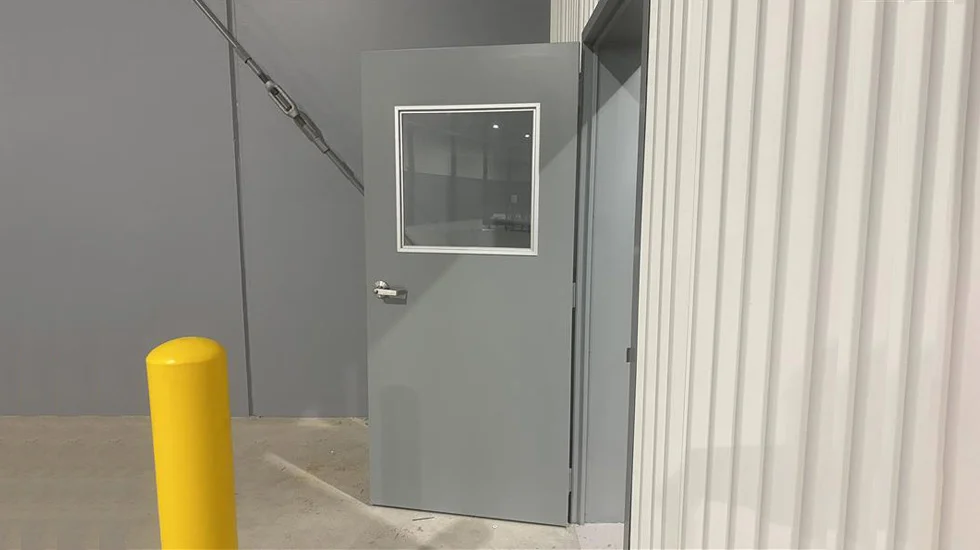

What Makes a Door “Industrial”? A Complete Breakdown
If you’re in construction, mining, logistics, or commercial site management, you’ve likely heard the term “industrial door” used to describe doors built for strength and durability. But what exactly qualifies a door as “industrial” in Australia?
In this comprehensive guide, we break down the core features, Australian standards, materials, and use cases that define industrial doors — helping you make informed decisions for your next project.
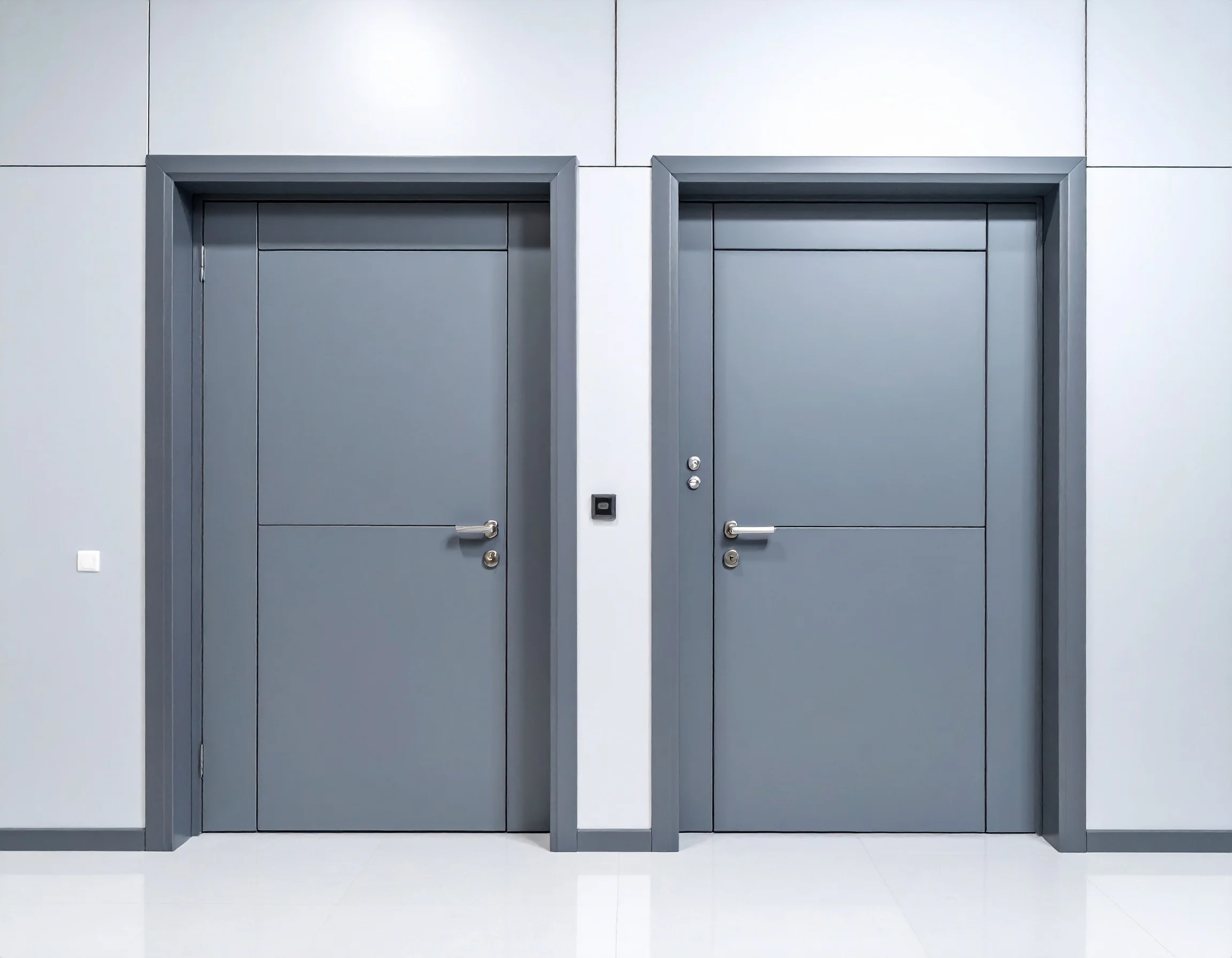
1. What Is an Industrial Door?
An industrial door is designed specifically for use in harsh, high-traffic, and demanding environments. These doors are built to withstand:
- Constant operational use
- Extreme weather exposure
- Enhanced security needs
They are commonly used in:
- Warehouses and distribution centres
- Mining and resource sites
- Portable and modular buildings
- Agricultural and farming facilities
- Manufacturing and processing plants
2. Key Features of Industrial Doors
Industrial doors differ from standard commercial or residential doors in several key areas:
Features of Industrial Door
Material: Various steel types
Weather Resistance: Built for rain, wind, heat, corrosion (with Sentry Protect)
Sentry Protect features:
- Enhanced Corrosion Resistance
- Multi-Stage Protection Process
- Durable & Long-Lasting Finish
- Tested to Motor Vehicle Standards
- Applicable to All Larnec Door Products
- Superior Quality Assurance
Security: Solid cores, dual-skin Colorbond steel, heavy-duty hardware (optional)
Usage Rating: Rated for frequent operation & impact
Larnec’s industrial doors are engineered with premium steel and corrosion-resistant coatings can be added for coastal or remote installations.
3. Use Cases Across Industries
Here are some common environments where industrial doors are essential:
– Mining & Resource Sector
– Agricultural Buildings
– Modular & Portable Buildings (Dongas)
– Manufacturing Plants
– Logistics Facilities
4. Choosing the Right Supplier in Australia
When selecting an industrial door supplier, look for:
- Proven experience in Australian industrial sectors
- In-house compliance testing and certification (where applicable)
- Local manufacturing and fast lead times
- Custom sizing and hardware compatibility
Larnec proudly manufactures and supplies industrial doors across Australia for government, construction, and remote industry clients.
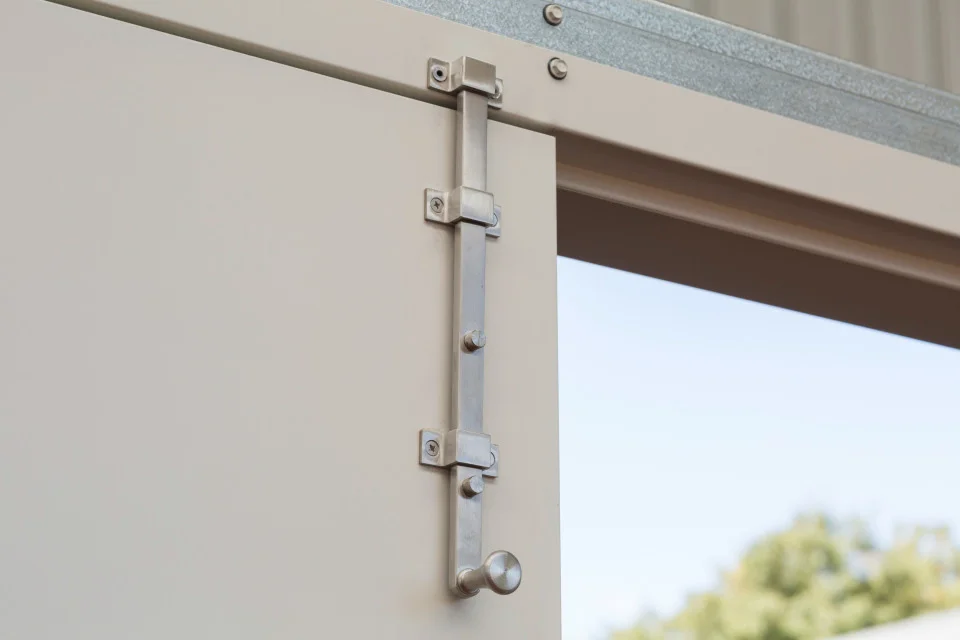
Conclusion: Why Industrial Doors Are Worth the Investment
Industrial doors are not just heavier and stronger — they’re engineered for enhanced security, and long-term durability. Whether you’re outfitting a portable site office, a factory, or a logistics hub, investing in an industrial door helps ensure a secure, fit-for-purpose personal access solution.