



%402x.svg)
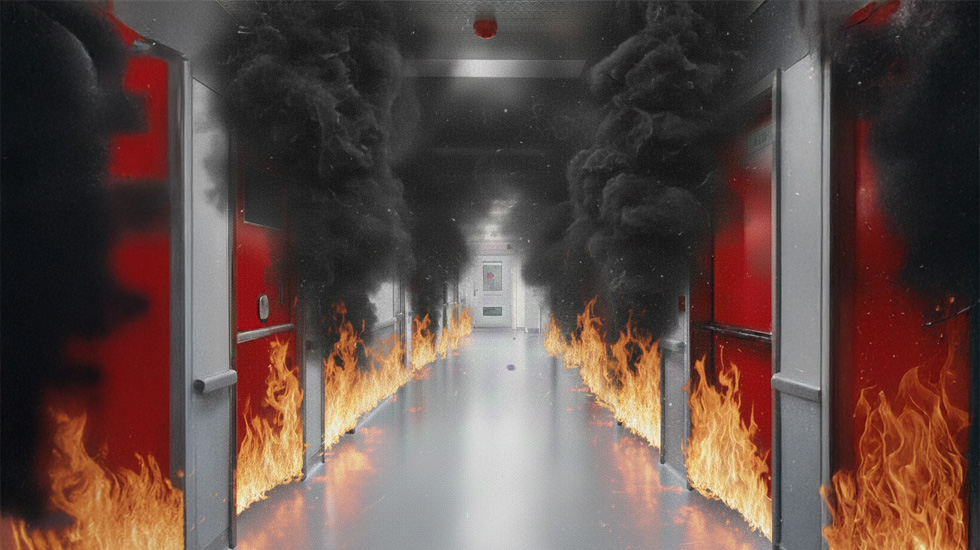

Fire safety is about more than protecting people and property — it’s also about ensuring your business can continue operating after an incident. Fire-rated doors play a vital role in maintaining business continuity, helping companies recover faster and minimise disruption.
Reducing Downtime After Fire Incidents
A well-installed fire door can contain damage to a single room or area, allowing operations in other parts of the building to continue. For manufacturing and warehousing businesses, this could mean saving critical equipment, inventory, and systems that keep your business running.
Protecting Critical Infrastructure
Fire doors aren’t just installed to meet safety regulations — they protect essential infrastructure like control rooms, switchboards, and IT equipment. By preventing the spread of heat and smoke, they preserve the backbone of your operations.
Building Trust with Stakeholders
When customers, partners, and insurers see that your facility has invested in fire-rated safety measures, it reflects a commitment to reliability and responsibility. It’s a simple yet powerful way to strengthen business credibility and protect brand reputation.
A Smart Investment in Long-Term Stability
Fire-rated doors are low-maintenance, durable, and designed to last for years — providing both safety and operational value. For any business focused on stability and long-term performance, they’re a practical investment that pays off when it matters most.
Contact Us
Ensure your business stays protected and operational with the right fire-rated doors. Contact us call us at 1800 527 632 to find a solution that fits your facility’s safety and performance needs.
Frequently asked questions
Fire doors support business continuity by helping contain fire and smoke, reducing damage to critical areas.
By limiting fire spread, they can help maintain operational zones and protect assets, allowing businesses to recover more efficiently after an incident.
Fire doors are important because they help isolate high-risk or high-value areas during a fire event.
This includes plant rooms, storage areas, and operational zones where damage could disrupt business operations. Doors designed for these applications can support safer building performance and risk management.
Yes, fire doors can help reduce downtime by containing fire damage to specific areas.
By preventing widespread impact, they allow unaffected parts of a facility to remain usable or return to operation sooner. This can be critical for maintaining productivity and minimising disruption.
Fire doors should include certified fire resistance, reliable sealing, and durable hardware suited to the application.
Additional features such as self-closing mechanisms and robust construction help ensure consistent performance during an emergency. These elements support both safety and ongoing operational reliability.
Fire doors should be installed in areas that separate critical zones and manage fire risk.
Common locations include corridors, plant rooms, storage areas, and access points between operational spaces. Proper placement supports both compliance and effective protection of business operations.