

%402x.svg)
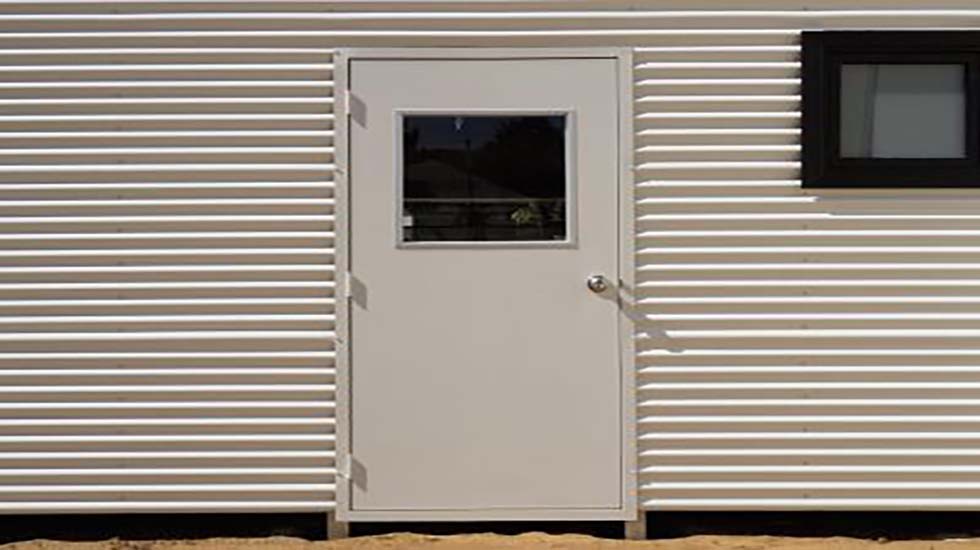

Glass is an amazing component of a commercial door. It not only controls temperature, but also controls light too, so choosing the ideal performance glass can be important to its function.
There are many pros and cons to window glazing options. But before we look at the types of glazing, it’s important to understand why the choices are there and the factors that affect this choice. Some factors to take into account when looking at glazing types are; u-value, SHGC and VT.
U-Value: The U-value of a window indicates how much heat is transferred through it. The lower this value is, the better the insulation. You will usually find that this value will decrease when the glazing size increases. Learn more about energy performance ratings from the Window Energy Rating Scheme (WERS).
SHGC: This stands for Solar Heat Gain Coefficient. This value measures how much solar radiation passes through a window. The higher this value is, the more solar radiation that passes through, resulting in solar radiation heating. What glazing type you choose will have a great effect on this value.
VT: Visible Transmittance indicates the fraction of visible light through the window. This value can vary between 0 and 1 and with double and triple glazed windows; this can be between 0.3 and 0.7. Let’s take a look at some of the basic glazing types to consider for commercial doors.
Single Glazing: A window with just one pane of glass, single glazing allows for the highest transfer of energy – temperature and light. This means that the only thing separating two environments is one layer of glass. This type of glazing provides the least insulation and the highest amount of energy loss. Usually the cheapest option, but this would become expensive due to increased energy bills. Further to this, single glazing is also most prone to breaking, due to being the weakest, however glass can be toughened. Explore our range of personal access doors designed with glazing options to suit your needs.

Double Glazing: Double glazing, or sometimes called an insulated glass unit (IGU), combines two panes of glass into a single window system. This type of window system has become the most popular type of recent years due to the rising cost of energy bills. The panes of glass in this system are separated by a spacer and a layer of air or gas, and acts as an extra layer of insulation. Double glazed windows are an energy efficient option as they reduce the amount of heat escaping, while also helping to decrease noise pollution too. Furthermore, in hotter climates, double glazing helps to decrease the amount of unwanted heat entering which helps to lessen reliance on air conditioning systems. While being more expensive than single glazing, these become greater value for money due to the money saved on reducing energy costs.

Triple Glazing: Often viewed as the best performing window available, however, this doesn’t always equate to the best thermal insulation. Due to being three panes of glass, these window units can be significantly heavier, as additional stress on the window system can wear them out quicker. Not only this, but it can increase project costs due to increased labour, larger and sturdier frames and also the design process. This is where we can help by helping to select the best framing for what you would need. Triple glazing further reduces the amount of light passed through the window, therefore decreasing the VT and in turn, the U-value too. When choosing which type of glazing you may need, there are also other additions to glazing that can impact the performance of the windows.
Frame: The type of frame can change the u-value of a window. Non-metal frames have a lower u-value than its metal counterpart.
Suspended Film: Suspended film can be critical to helping improve insulation and helping to enhance a windows performance. Suspended film is usually added to double glazed window systems as an alternative to triple glazing. This film is mounted inside the glazing to help insulated the unit to reflect unwanted heat and radiation, while still helping to maximise VT.
Low-E Coating: When light or heat energy connects with glass, the glass absorbs these energies. With low-E coating, this helps to control these energies and can be manipulated to include specific parts of the visible and infrared spectrum and optimises energy flows.
Tinting: Tinted glass reduces these energies as its primary function, but also helps to control visibility through the window.